Cube World
One of the most bizarre launches in indie history. A developer who disappeared for years, dropped the game with no warning — and still managed to build a cult following.
Cube World: How to Waste a Perfect Opportunity
The Setup
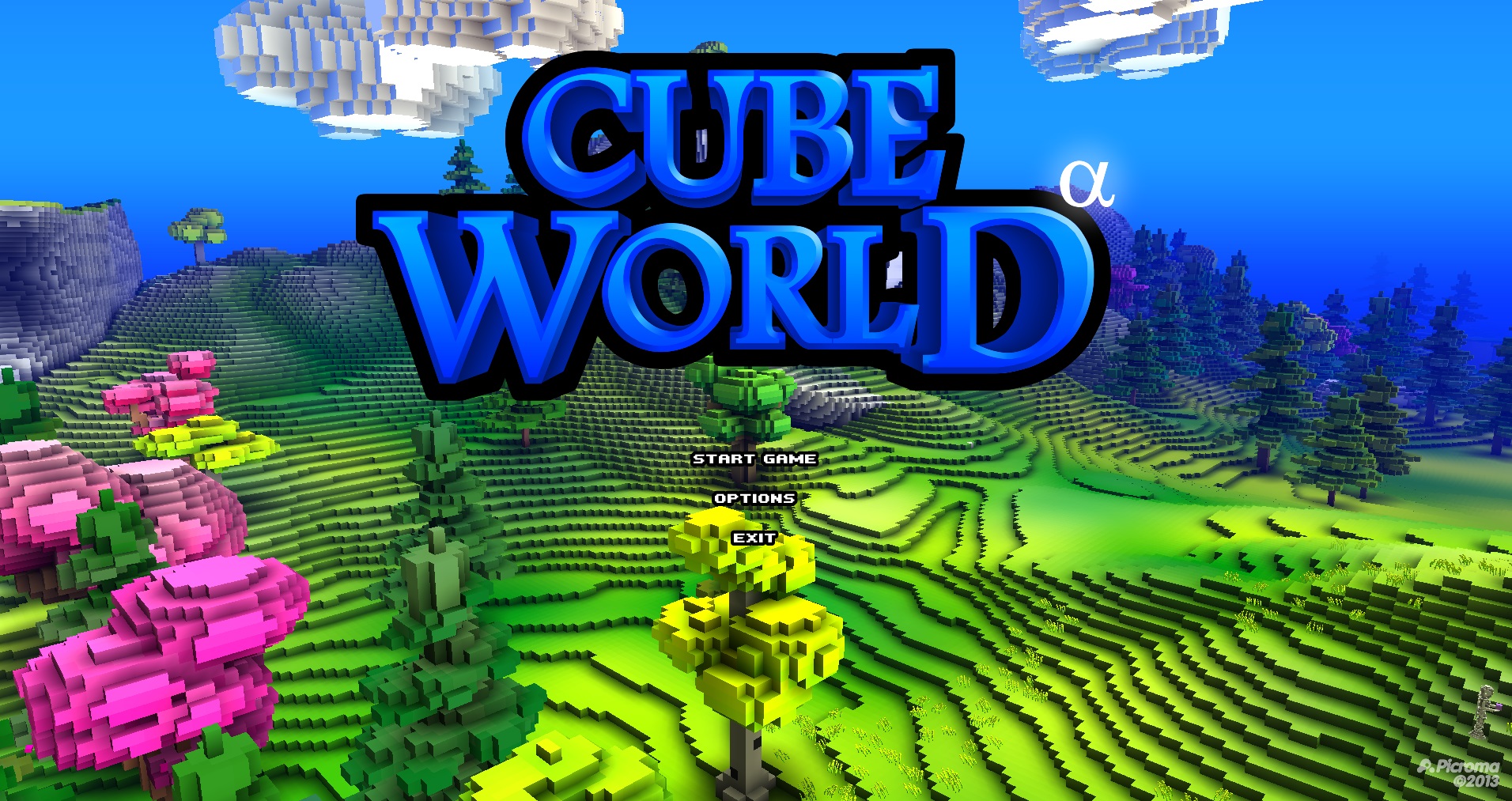
In July 2013, a husband-and-wife indie team released a paid alpha for a voxel-based action RPG. It had four character classes, procedurally generated worlds, skill trees, XP progression, and a visual identity that sat directly in the lane Minecraft had built — but with genuine RPG depth underneath.
The timing was ideal. Minecraft was at the peak of its cultural moment. YouTube gaming content was exploding. The voxel genre had an enormous built-in audience hungry for something that pushed it forward, and Cube World looked like exactly that. Kotaku ran a piece titled I Can't Stop Playing Cube World. The alpha servers collapsed under the traffic. The game sold tens of thousands of copies almost immediately.
Then the developer posted one update, and went quiet.
What Happened
Six years of near-silence followed. Wollay would occasionally surface on Twitter with a screenshot — a new biome, a revamped UI element — just enough to remind people the game existed, never enough to actually tell them anything. No roadmap. No update schedule. No community engagement.
The community cycled through patience, frustration, and resignation. The subreddit became a place where people modded the alpha to add features Wollay had teased and never delivered, and debated whether the whole thing had been a scam.
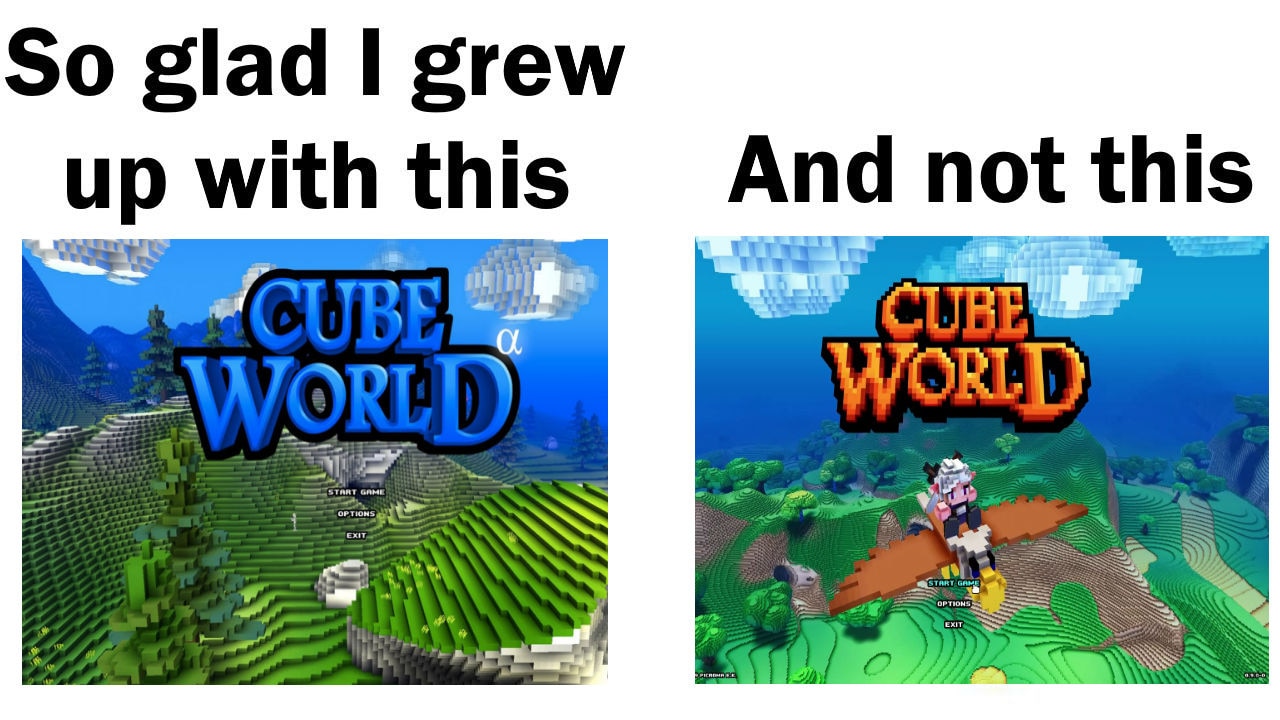
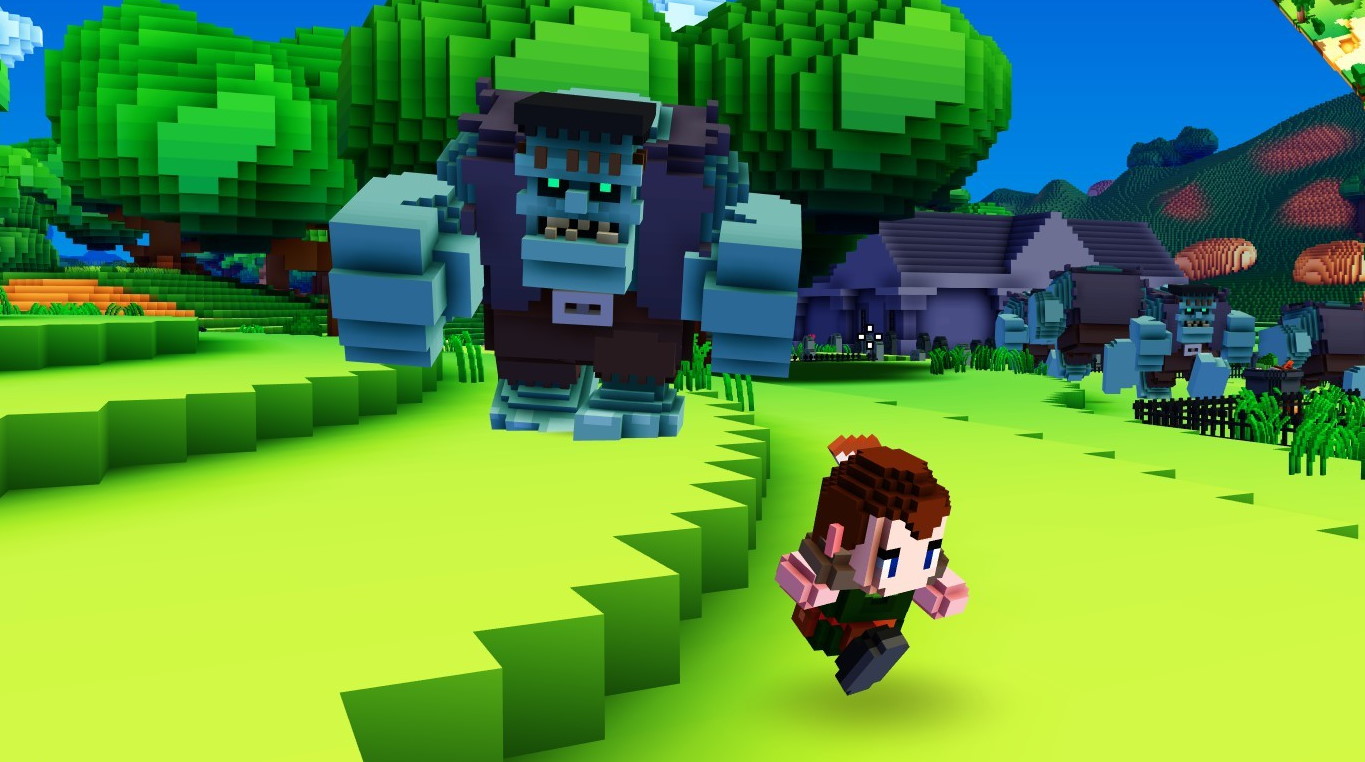
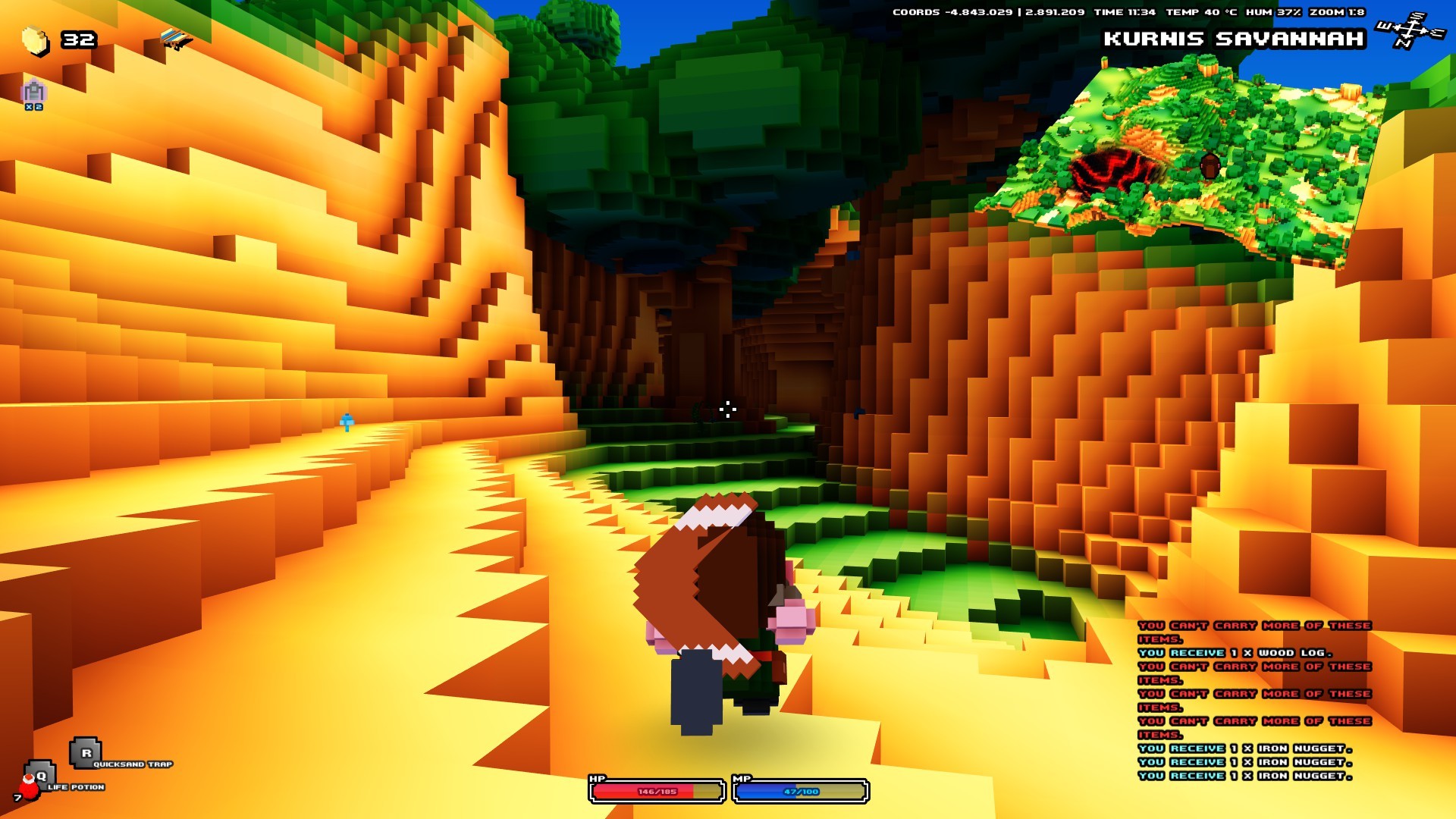
In September 2019, Wollay announced the game was coming to Steam on the 30th. The community erupted — six years of waiting, and it was finally here. Then people played it, and discovered the 2019 version wasn't the game they'd been waiting for. The XP system was gone. Skill trees were gone. Gear was region-locked, resetting your progression every time you moved to a new area. The features Wollay had been teasing on Twitter for years simply weren't there, and he said nothing about why.
The Steam reviews went Mostly Negative within days — a 36% positive rating across nearly 19,000 reviews that it still holds today. Then Wollay deleted his blog. The Picroma website's Cube World section disappeared. His last tweet was posted the day before launch. After that, silence again.
The game currently peaks at around 30 concurrent players on a given day.
The Psychology of Succeeding Too Soon
The silence isn't fully explained by bad communication habits. There's something more interesting going on here.
When the alpha went viral, tens of thousands of people paid for an unfinished game and immediately started imagining what the finished version would be. That's what people do with incomplete things. The huge psychological pressure to deliver something that will meet these impossible expectations is something that every project which achieves early success will feel.
Then there's what early success actually does to the person making the thing. The validation, the money, the recognition — it all arrived in 2013, when the game was maybe a fifth of the way done. The drive to finish something is largely powered by wanting that moment. The unveiling — the here it finally is moment every developer is working toward — was gone. People had already formed their opinion on an alpha build. Shipping the finished game wasn't going to be a discovery for anyone; it was going to be a comparison against six years of imagination. Now all that's left is the hard work of finishing the project and hoping it doesn't disappoint.
None of which changes the outcome. But it does make Cube World more than a simple story of a developer who didn't bother showing up. It's also a warning about what early success costs — and why controlling the narrative from the start isn't just smart marketing, it protects you too.
The Point
Cube World is not a story about a bad game. The 2013 alpha was genuinely loved. The 2019 version even had defenders who thought the new systems had potential. This is a story about what happens when you treat community engagement as optional — and what happens when you make that mistake while sitting on a golden opportunity.
The product-market fit was real. The audience was already there, already paying, already evangelical. All of it was squandered not by bad game design but by six years of silence, a launch that contradicted its own implied promises, and a complete absence of communication at the moment it mattered most.
It doesn't matter how good your game is. It doesn't matter how perfect the timing is. If you go dark on your community, ship without explaining your decisions, and disappear the moment things get difficult — you will lose them. Cube World had everything it needed to succeed and found a way to fail anyway.
That's the cautionary tale.
Cube World was developed and published by Picroma. The alpha launched July 2, 2013. The Steam release launched September 30, 2019. It currently holds a Mostly Negative rating on Steam.