Snowrunner
A phenomenal example of really selling the feeling of your game. It's not a driving game, it's a survival adventure in a truck.
The Eight-Trailer Playbook: How SnowRunner Marketed One Game to Eight Different Players
SnowRunner's pre-launch campaign ran eight trailers across eight months. On the surface, that's just a standard marketing drumroll. Look closer and it's something more deliberate: each trailer is speaking to a completely different person, addressing a completely different reason to buy.
The game doesn't change. The story being told about it does.
That's the thing most game marketing gets wrong. Studios build one trailer, try to make it speak to everyone, and end up resonating with no one in particular. SnowRunner did the opposite — it gave each audience segment their own specific reason to feel like this game was built for them. A MudRunner veteran and someone who's never touched a sim game could both watch this campaign and arrive at the same purchase, having been convinced by entirely different arguments.
The eight trailers break into three phases: establishing who this is for, expanding that circle without losing the core, and converting accumulated interest into day-one purchases.
Establish Identity
Reveal
The reveal doesn't try to explain SnowRunner to anyone unfamiliar. It doesn't need to. This trailer is a handshake with people who already know — it's saying yes, this is the sequel you wanted, and it's bigger.
That matters more than it sounds. The core audience for any sequel carries a specific anxiety: did they water it down? Did they change what made it good? The reveal trailer answers that immediately. Same DNA, more of everything. No apologies.
There's also a secondary function here. When your most loyal audience is visibly excited, that excitement becomes the first piece of social proof for everyone else. You're not just converting loyalists — you're creating the cultural signal that makes newcomers curious.

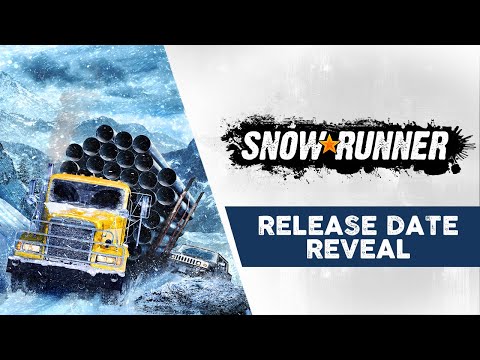
Release Date Reveal
This is a date announcement, and date announcements do a specific thing psychologically: they create a deadline. Before this trailer, SnowRunner is something you might check out eventually. After it, there's an April 28 sitting in your head.
The trailer pairs that urgency with the first real look at scale — environments, vehicle variety, the sense that there's a lot of game here. For someone who didn't play MudRunner, this is their introduction. The pre-order bonus (exclusive vehicle) is doing its own work too: locking in purchase intent before anything else can interrupt it.
Conquer the Wilderness
The title is doing a lot of work here. Conquer is a specific word choice — it's not "explore the wilderness" or "survive the wilderness." It's a declaration that the environment is your opponent and you are going to beat it. The audio helps to create a specific "Cowboy", physical strength, grit, toughness positioning.
Everything in this trailer is designed to signal difficulty: steep inclines, deep water crossings, trucks getting buried in mud. Crucially, it also shows co-op recovery — multiple trucks working together to drag something out of trouble.
This trailer is speaking to the player who rolls their eyes at games that are too easy. The one who wants to feel like they actually earned something. You don't sell that audience on features — you sell them on the promise that this will test you.

Expand and Reassure
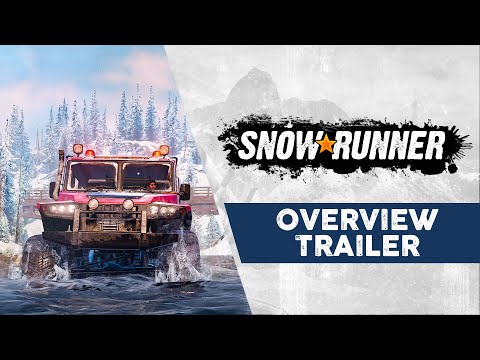
Gameplay Overview
After three trailers built around feel and identity, this one shifts gears completely. It's a feature breakdown — regions, mission types, vehicle roster, co-op structure, mod support. Still presented with energy, but the content is functional rather than emotional.
There's a specific kind of buyer who won't purchase until they've checked off a mental list. Is there enough content? Can I play with friends? Will the community keep this alive?
The overview trailer respects that.
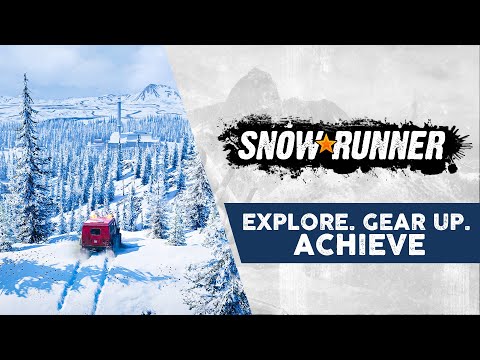
Explore. Gear Up. Achieve.
This is the campaign's most interesting strategic move. The framing shifts entirely to progression: unlock vehicles, earn money and XP, upgrade your build, change the world around you. The language is explicitly for an adventure RPG audience — gear up, achieve, loadouts, progression.
It's the same game as Trailer 3, but now it's not about conquering anything. It's about building something. You and your friends, working through a shared open world, getting gradually more powerful, watching your decisions reshape the map.
For the player whose instinct is I don't really play simulation games — this trailer gives them a different frame to walk through.
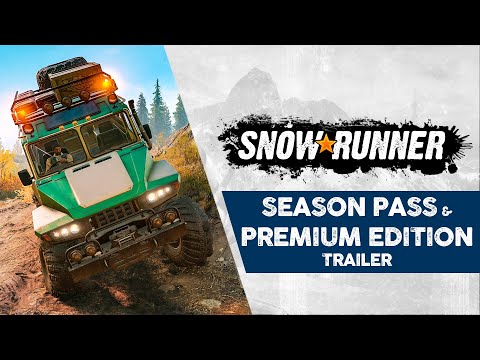
Season Pass & Premium Edition
For niche titles, there's always an underlying concern: is this going to be dead in six months? It's a legitimate question. Plenty of games launch, get a patch or two, and go quiet.
The season pass announcement is the answer to that concern. Four phases of content, multiple new regions, new vehicles, ongoing support — it signals that the developers are committed to being here for a while. That changes the risk calculus for a certain type of buyer, the one who wants to know their investment has a future before they make it.
There's also a secondary audience here: streamers and content creators. Confirmed post-launch content means confirmed future material. That's a quiet but important signal to people who cover games for a living.
Activate and Close
United We Drive
This is the most emotionally ambitious trailer in the campaign, and also the highest-viewed at 4.6 million views — which tells you something about how well it landed.
The first six trailers are largely about you — your skill, your progression, your achievement. This one pivots to we. The title says it directly. The tone is different too: less adrenaline, more weight. There's something in this trailer about effort that matters, about showing up and doing the work even when it's hard. It's about emotional strength rather than physical strength, an important differentiator to Trailer 3's Cowboy.
It speaks to a player who isn't primarily chasing personal glory. They want to contribute. They want the satisfaction of something getting done because the team pulled together.
The fact that this has the most views of any pre-launch trailer suggests it struck something universal.
Launch
The launch trailer doesn't try to convince anyone of anything. That work is done.
By this point, different people have been spoken to in different ways across seven trailers. They've found their reason to buy — whether that's challenge, progression, co-op, technical depth, long-term support, or something else. The launch trailer's only job is to take all of that and give it a final push.
So it's pure energy. Fast cuts, environments in motion, physics doing what physics does in this game. It shows everything rather than explaining anything. There's an important distinction there: the earlier trailers could afford to be descriptive because they were building interest. The launch trailer needs to be visceral because it's triggering action.
The shift from tell to show at exactly this moment is the right instinct. You've spent months making someone believe this is a good game. Now you remind them what it actually feels like.
Most campaigns treat trailers as a broadcast: here is our game, here is why it is good. SnowRunner's campaign treated each trailer as a targeted conversation: here is why this is your game specifically.
The distinction matters because people don't buy things they think were made for someone else. The campaign works because it makes eight different types of player feel like the intended audience — not through manipulation, but by genuinely surfacing different true things about the same game.
A challenge-focused player and a co-op progression player are both right about SnowRunner. The game really is for them. The campaign's job was just making sure each of them heard the version of the story that resonated.
That's the transferable principle: before you build your campaign, map your actual audience segments and understand what each one needs to hear. Not what you want to say about your game — what they need to hear about it. Then build your content calendar around delivering exactly that, one conversation at a time.
SnowRunner was developed by Saber Interactive and published by Focus Home Interactive. It launched April 28, 2020 on PS4, Xbox One, and PC.