Valorant vs Call of Duty
Two very different takes on how to monetise a shooter. One built entirely on cosmetics with a fair-play promise. One that kept pushing the line. The results speak for themselves.
Fair vs. Predatory: Valorant and Call of Duty's Opposite Approaches to Monetization
The following represents my personal analysis and opinion on the monetization practices of both games. Reasonable people can disagree on where lines should be drawn in free-to-play and live service monetization — this is my read on it.
The Setup
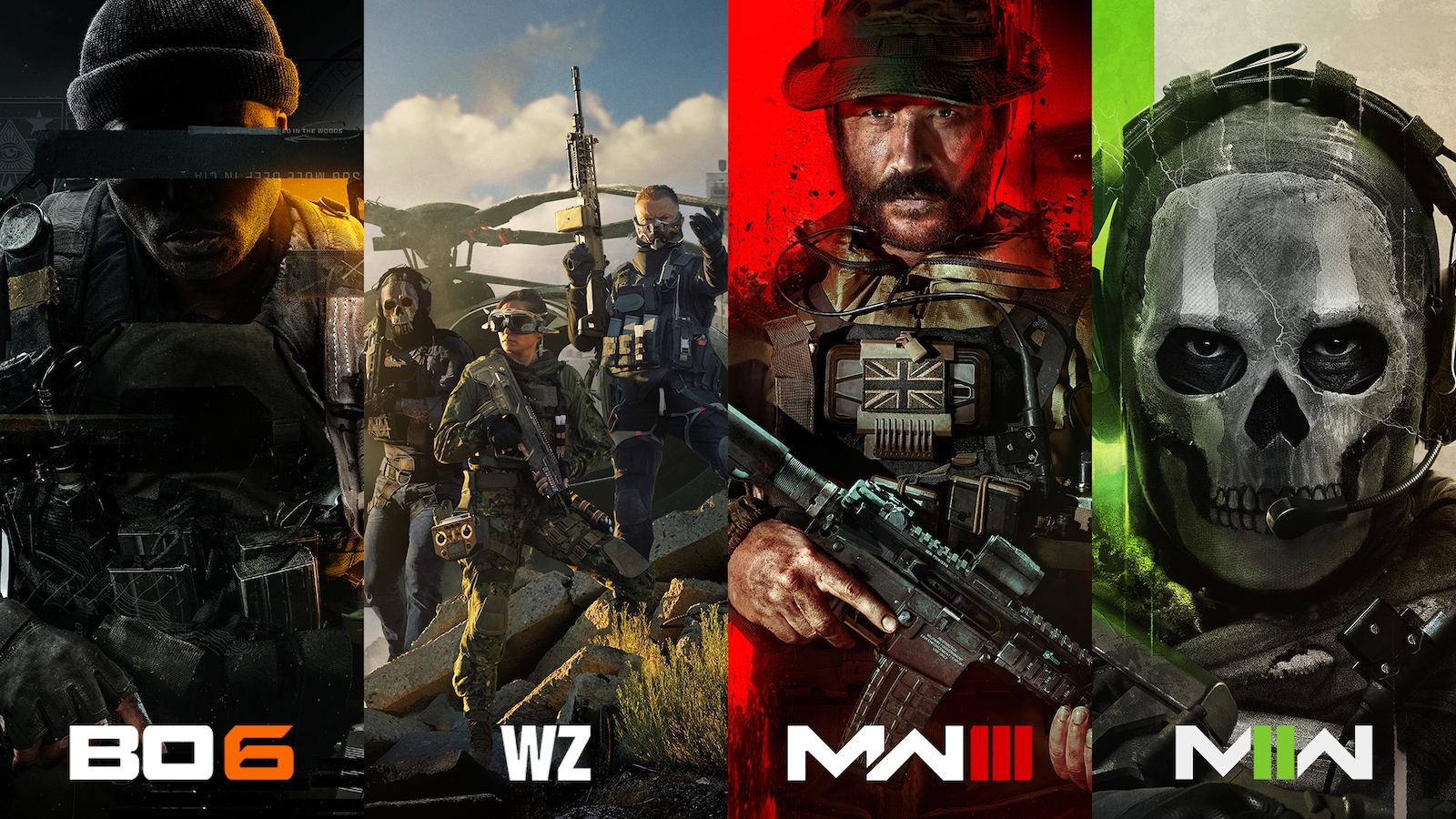
Monetization is one of the most contentious topics in modern gaming, and for good reason. The way a game charges you — or doesn't — shapes your relationship with it more than almost any other design decision. Get it wrong and players feel exploited. Get it right and they open their wallets willingly, sometimes enthusiastically.
Valorant and Call of Duty represent two very different philosophies on this. Both are enormous franchises. Both make a lot of money from cosmetics. But the feeling each one generates in its players when the store opens is completely different — and that difference isn't accidental.
How Valorant Does It
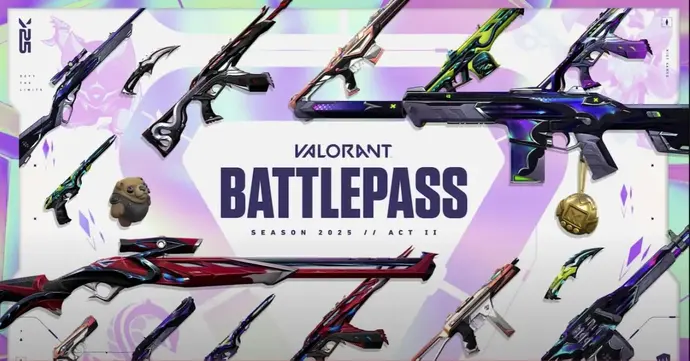
Valorant is free to play. Its revenue comes entirely from cosmetics, and it has been transparent about that from day one.
The Battle Pass costs 1,000 VP — roughly $10 USD. For that, you get access to a full premium track of weapon skins, gun buddies, sprays, player cards, and crucially, Radianite Points. Radianite is the currency used to upgrade skins you already own — adding animations, sound effects, kill finishers, and visual variants. The key detail here: Radianite earned from the Battle Pass can be applied to any skin you own, not just the ones from that pass. So even if a given Battle Pass doesn't have a single gun skin you particularly want, the Radianite it provides has real value toward cosmetics you already have or plan to buy. It's a clever system that makes the pass feel worth buying on terms you define, not just on whether you like the specific skins in it.
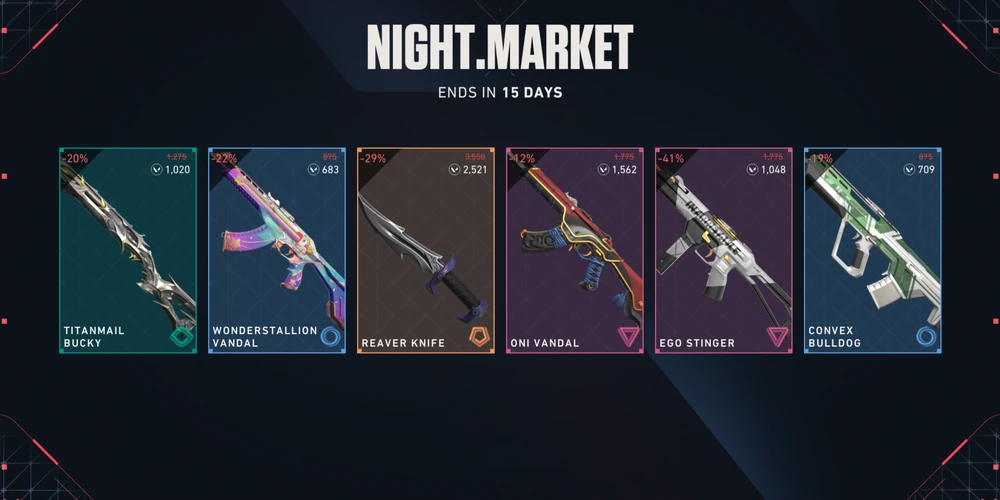
Individual store skins range from around $10 for basic Select tier skins up to $25+ for Premium Edition skins. Full bundles — typically five weapon skins plus a melee — run anywhere from $34 to over $100 for the top-tier Ultra sets. That is, by free-to-play standards, expensive. Riot does not undercharge for their premium cosmetics, and it would be dishonest to pretend otherwise.
But here's what matters: every single skin in Valorant is purely cosmetic in the truest sense. They apply to the weapon you're holding. They change how it looks, sounds, and animates when you get a kill. That's it. There are no character skins. No full operator outfits. The gun you're holding looks different. The enemy's gun looks the same as it always did. No skin gives you any visual, mechanical, or statistical advantage over another player. Ever.
How Call of Duty Does It
Call of Duty's structure is more complex, and in my opinion, considerably more cynical.
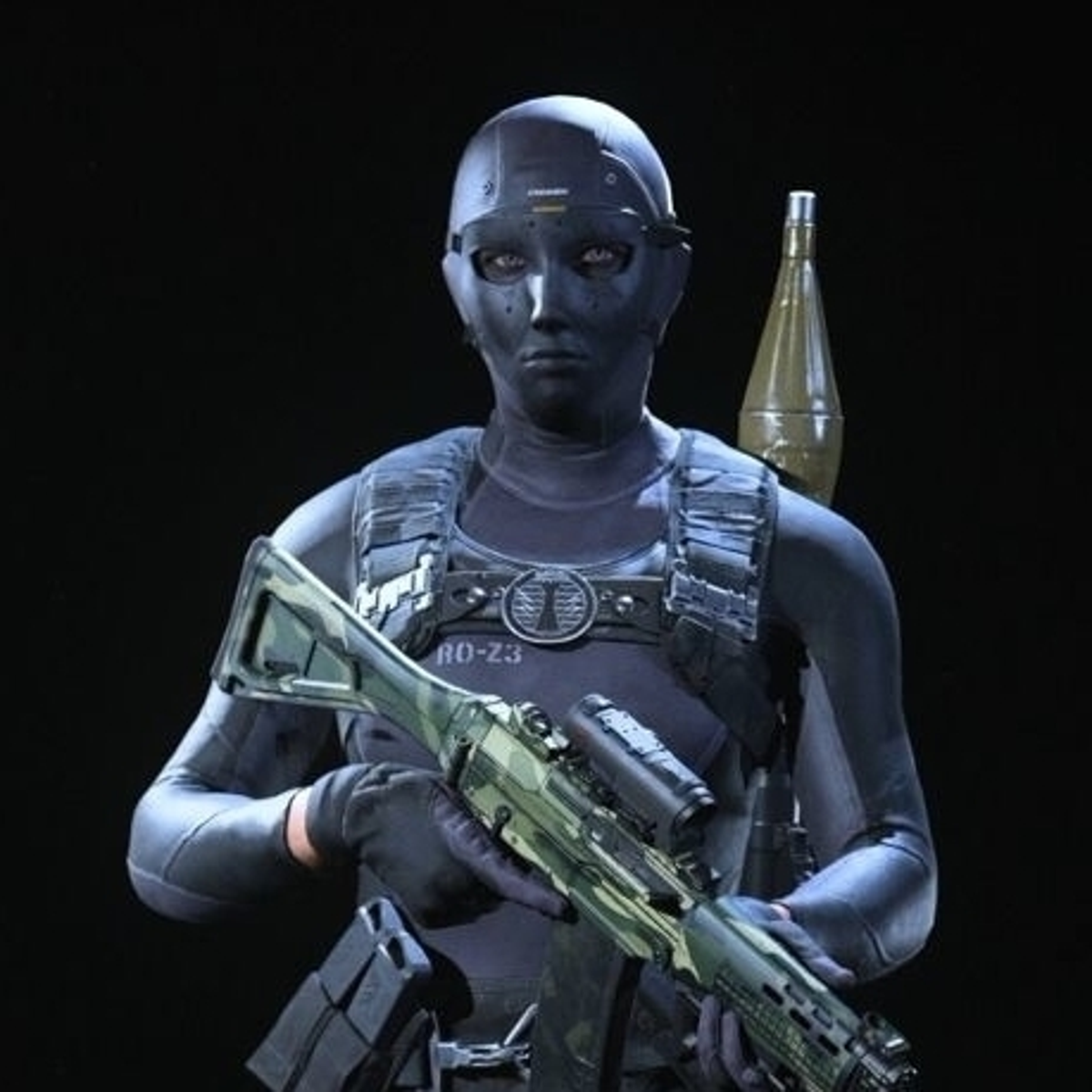
The standard Battle Pass costs 1,100 COD Points, roughly $10. So far, comparable to Valorant. But there's also BlackCell — a premium Battle Pass tier at $29.99 — which includes the standard pass plus exclusive operator skins, animated weapon blueprints with special tracer effects, XP bonuses, and additional tier skips. The Roze skin I'll discuss below? When Activision brought back a modernised version of it in Black Ops 6, they locked it behind the BlackCell tier specifically.
The core problem isn't the price structure. It's what you're buying.
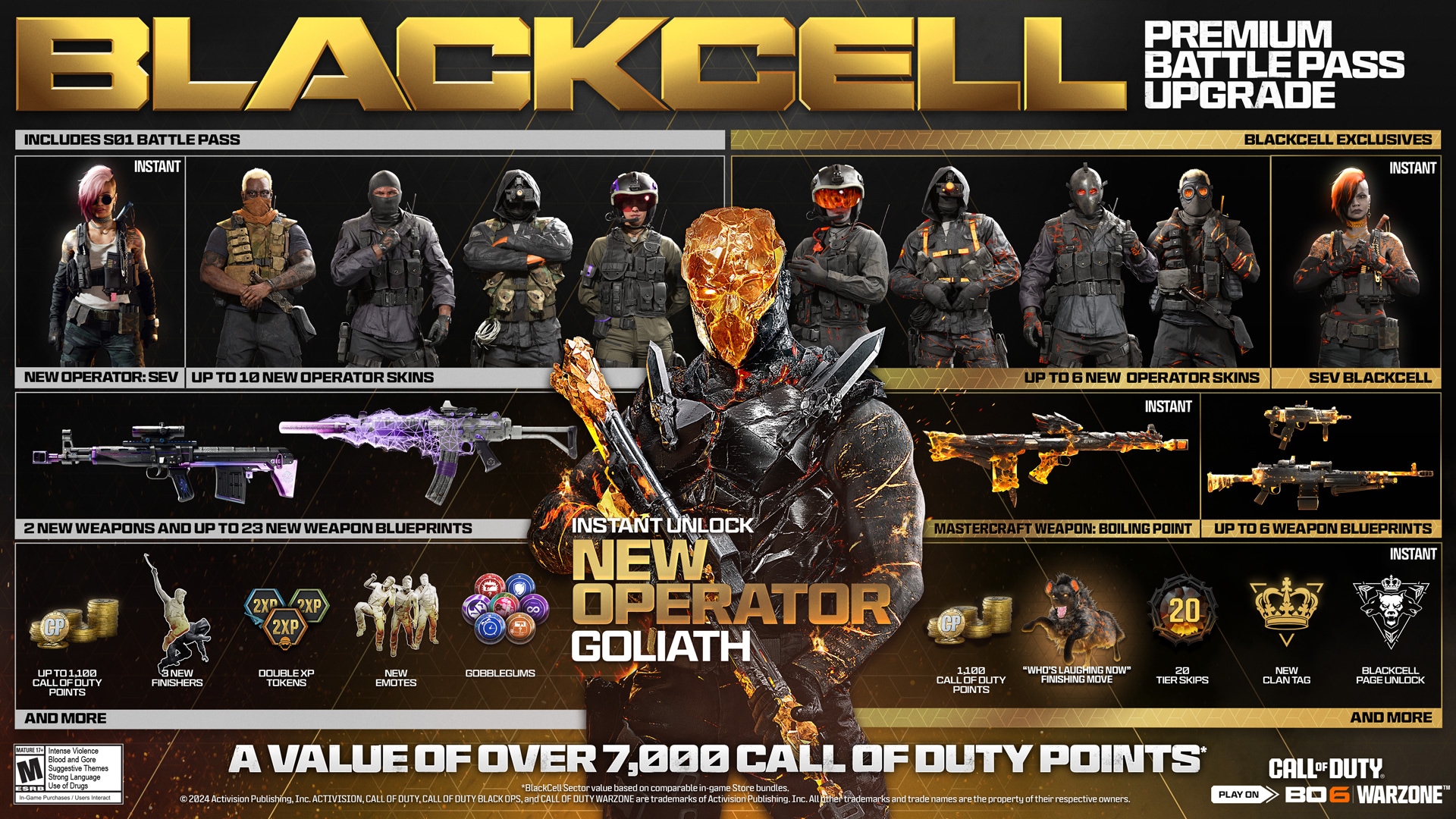
Call of Duty sells full operator skins — complete character outfits that other players see when you move through the game. Valorant doesn't do this; your character model is fixed and everyone sees the same thing. In Call of Duty, the character model is a cosmetic variable, and that creates a problem that Valorant's design neatly sidesteps.
In 2020 and 2021, Warzone's Roze operator — specifically the "Rook" skin earned at Tier 100 of the Season 5 Battle Pass — became one of the most controversial items in Call of Duty history. The skin was entirely black. Not dark, not shadowy — solid black, head to toe, no reflective surfaces. In Warzone's dimly lit environments, players wearing it were effectively invisible in corners, doorways, and shadows. The clip that broke things open on Reddit shows a player in the Roze skin standing in a dark corner while enemy after enemy runs directly past him without registering his presence. The skin was used almost universally in the $250,000 Twitch Rivals tournament that season, to the point where observers were accusing teams of cheating before realising it was just the skin.
Raven Software eventually addressed it — brightness was increased by 70% in a 2022 update. But the skin continued to generate complaints even after the fix, and when Activision introduced a modernised version called R0-Z3 in Black Ops 6, they locked it behind BlackCell, the most expensive Battle Pass option, without resolving the underlying issue. The community's response to that decision tells you everything about the trust that had accumulated around this particular topic.
These incidents didn't start or end with Roze. The pattern runs across multiple games and multiple seasons.
- Gallantry MAC-10 — Cold War Season 3 Battle Pass, Tier 95 Dealt roughly 30% more damage than the base weapon across all ranges with a different recoil pattern and tighter hipfire. When Raven Software nerfed the MAC-10's headshot damage in a subsequent patch, the nerf was applied to the base weapon but not the blueprint. Hotfixed after community outcry.
- JAK Purifier — MW3 Season 1 Battle Pass An underbarrel flamethrower attachment for assault rifles and the Riveter shotgun. Described as overpowered on release. Nerfed in Season 2 Reloaded.
- BAS-B JAK Outlaw-277 Kit — MW3 Season 2 Aftermarket Part Converted the BAS-B battle rifle into a near-zero recoil semi-auto weapon capable of one- or two-shotting enemies to the body. Dominated the meta for weeks. Nerfed in a March 2024 patch with bullet velocity cut by 50%.
- DTIR 30-06 — MW3 Season 6 Battle Pass and day-one store bundles Fastest time-to-kill of any weapon in Warzone at launch, with some of the lowest recorded recoil in the game's history. Store bundles went live on day one of the season. Nerfed 28 hours later.
The Pattern I Find Troubling
Individually, each of these incidents can be explained away. The Roze skin was an oversight — dark environments interacting with a dark skin in unexpected ways. The Gallantry MAC-10 was a balancing error. Every live service game has balancing errors. Nerfing things when they're reported as overpowered is, on the surface, the responsible thing to do.
But taken together, and repeated across multiple games and multiple seasons, a pattern emerges that I find hard to read charitably.
The cycle works like this: an item is released — through the Battle Pass, the store, or a limited event — that provides a measurable advantage. Players who want to stay competitive feel pressure to acquire it. Some do. Then, after sales have run their course and community pressure peaks, the advantage is patched out. Everyone is reset to the same baseline. Activision has, in effect, sold an advantage, collected the revenue, and then removed the advantage — leaving the players who bought it with a cosmetic that costs the same as it did before and does less than it did before.
You could read this generously: they made a mistake and fixed it. That interpretation requires believing this is a consistent pattern of mistakes rather than a consistent pattern of decisions. I find the generous reading increasingly difficult to sustain the more times the cycle repeats.
The structural issue is that Call of Duty's cosmetics include character models — which directly affect what other players can and cannot see — and weapon blueprints — which can include different base stats or attachment combinations that may perform differently from default options. Valorant doesn't have either of these problems because its cosmetic scope is intentionally narrow. Riot made a design decision early on: skins affect your gun only, and nothing a skin does will give you an advantage. That constraint has held for five years.
Why This Matters Beyond the Games
From a community management perspective, the difference between these two approaches is worth understanding as a principle rather than just a comparison.
Valorant's system generates goodwill even among players who never spend money, because the monetization clearly stays in its lane. Players feel like the free-to-play promise is being honoured. The expensive skins are genuinely expensive, but nobody feels like they're being charged for a competitive advantage.
Call of Duty's system generates a recurring cycle of community anger, official silence, eventual acknowledgment, patch, and repeat — with a persistent underlying suspicion that the cycle is intentional. Whether or not that suspicion is correct, its existence is a community management failure. The players don't trust the system. And once that trust is gone, every future incident — even genuine accidents — gets interpreted through the lens of the pattern.
The lesson isn't that cosmetics need to be cheap, or that Battle Passes are inherently predatory. Valorant's top-tier bundles are genuinely expensive and nobody seriously argues they're a rip-off because the value proposition is clear and the rules don't change.
The lesson is that your monetization system sends a message about what kind of relationship you want to have with your players. Valorant's message is: we'll charge you for cosmetics, we'll charge a lot for the good ones, but we will never sell you an advantage. Call of Duty's message is harder to read — and that ambiguity, whether earned or not, is itself the problem.
Valorant is developed and published by Riot Games. Call of Duty: Warzone and Black Ops 6 are developed by Raven Software, Infinity Ward, and Treyarch, and published by Activision. All pricing figures cited are USD and reflect rates at the time of writing.